
Plastic Surgery Blog
Fixing Botched Double Fold Surgery
Published on April 3, 2024 by Kenneth D. Steinsapir, M.D.Repairing the outcomes of double fold surgery, especially when faced with issues like asymmetry, excessively high creases, or overly thick eyelids requires a nuanced understanding of both the aesthetics and functionality of the eyelid. Double fold surgery, also known as Read More…
Lower eyelid post-blepharoplasty reconstruction.
Published on March 27, 2024 by Kenneth D. Steinsapir, M.D.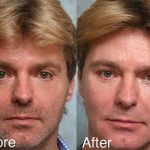
Post-blepharoplasty lower eyelid reconstruction is an essential service when cosmetic lower eyelid surgery does not go as planned. These same reconstructive methods are also helpful to address complications after cheek implant and midface surgery, orbital changes after thyroid eye disease, Read More…
The safety of Tranexamic acid
Published on March 15, 2024 by Kenneth D. Steinsapir, M.D.Tranexamic acid (TXA) has gained considerable attention in the field of facial plastic surgery for its potential to reduce bleeding and improve outcomes. This blog post aims to provide an in-depth look at the pros and cons of using tranexamic Read More…
The Comprehensive Guide to Cosmetic Facial Fat Grafting: Understanding the Risks and Benefits
Published on March 14, 2024 by Kenneth D. Steinsapir, M.D.In the quest for youthful vibrancy and a rejuvenated appearance, cosmetic facial fat grafting has emerged as a popular and innovative procedure. This minimally invasive technique involves transferring fat from one part of the body to the face, offering an Read More…
What are the real differences among different types of botulinum toxin?
Published on March 6, 2024 by Kenneth D. Steinsapir, M.D.Botulinum toxin type A is a potent neurotoxin used to treat both cosmetic concerns and medical conditions. Over the years, the FDA has approved several botulinum toxin type A products, each with its specific indications and dosages. FDA strongly advises Read More…
How is that “Snatched” Look working out for you?
Published on March 4, 2024 by Kenneth D. Steinsapir, M.D.In recent years, the beauty and cosmetic surgery industries have seen the emergence of a new trend aiming for what’s colloquially known as the “snatched” look. This term, which originally gained popularity in the fashion and beauty communities, refers to Read More…
The Outie and Innie Eyelid: Implications for Upper Blepharoplasty.
Published on October 30, 2021 by Kenneth D. Steinsapir, M.D.by Kenneth Steinsapir, MD Upper eyelids actually only come in two types: an outie upper eyelid fold, and an innie upper eyelid fold. The implications of this division of upper eyelids are unavoidable and profound. Innie and outie lids defined Read More…
Eye Color Surgery-Just say no. Now updated.
Published on September 20, 2020 by Kenneth D. Steinsapir, M.D.By Kenneth Steinsapir, MD This is a perspective that I published on the Realself.com website in 2011. For whatever reason, Realself.com has decided to no longer host this type of doctor generated content. Because this article features significant information not Read More…
Are Online Consultations for Eyelid Surgery Legit?
Published on April 3, 2020 by Kenneth D. Steinsapir, M.D.Beverly Hills, California Q:I live far away from the office of the Doctor I am interested in seeing. Is Skype or Zoom a good alternative? A: Skype and Zoom “consultations” are increasingly being offered by surgeons as the sole pre-operative Read More…
Your lash growth product is prematurely aging your eyes.
Published on January 28, 2019 by Kenneth D. Steinsapir, M.D.Kenneth Steinsapir, M.D. Beverly Hills, CA Yes, you read that right. You have a bad romance with your lash growth product! Yes, the one you love. The one that is giving you amazingly longer, thicker, and darker eyelashes is also Read More…