July 17, 2010

I’m pregnant. Is it OK if I get a squirt of BOTOX?

Let’s skip formal introductions and get straight to the basics: when you are pregnant or breastfeeding, you should not take any risks against the health of your child.  We have no evidence that the combination of BOTOX and pregnancy will harm you or your child, and given the safe nature of BOTOX it probably won’t, but why would you take any risk at all when BOTOX is an optional cosmetic treatment?  While we have no evidence that BOTOX during pregnancy will cause any harm, we simply do not have enough evidence to justify such a practice.  We likely never will, as ethical implications make it problematic to study an elective treatment that is not necessary to your health during pregnancy.

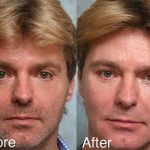
BOTOX Before and After Photo

Is BOTOX Dangerous?

Generally speaking, BOTOX is not dangerous, but it’s important to recognize that there is always at least a small risk with any medical practice.  We consider a procedure safe when the associated risks are very low and tend to be mild.  Such is the case with cosmetic BOTOX and Dysport.  Problems with BOTOX are usually limited to disappointing cosmetic results such as the forehead or “BOTOX freeze,” which can usually be avoided by choosing an experienced cosmetic surgeon who specializes in cosmetic facial procedures and has performed hundreds of BOTOX treatments.  In turn, you must listen to your doctor’s advice and not ask him or her to give you more treatment than recommended.  Since BOTOX results are temporary, this is not a major problem, and it is one that can be avoided with a qualified specialist physician.

There is a concern about a rare but potentially serious complication if BOTOX is used to treat small children with cerebral palsy, but this has never been observed with cosmetic applications where smaller doses are used and the FDA’s own Dr. Unger has stated that this risk may be zero.

So where does that leave us?  We have seen that BOTOX is remarkably safe and effective, making it an ideal treatment option for many people with problems like forehead lines and overactive facial muscles.  But does this mean we condone BOTOX for pregnant women?  Absolutely not!  While we have no evidence that BOTOX will harm either you or your child, we simply do not have evidence to confidently say that it does not.  Before we can do that, we will need hard scientific data from controlled research studies, but we likely will never have that, because conducting such a study is unethical.

Please Wait to Get BOTOX Treatment

We do not condone any unproven treatment, including BOTOX during breastfeeding or pregnancy, because we don’t want to find out if there is a risk.  Wait until you are no longer pregnant and are finished breastfeeding to seek treatment with BOTOX or really any cosmetic service.  Please by an adult about this and  “conveniently forgetting” to tell your doctor that you might be pregnant just because it’s “probably okay.”  This is irresponsible and believe it or not, some would argue that it is a reckless act tantamount to child endangerment.  You will not be pregnant forever, so please wait until you know that there is absolutely no risk of hurting your child before you get BOTOX.  BOTOX benefits can dramatically enhance your appearance under the right circumstances, so it is something to keep in the back of your mind to consider after you have given birth and are no longer breastfeeding.  At that time ethical practitioners will be happy to help.

The Best BOTOX in Los Angeles

Dr. Steinsapir is a board certified doctor with expert training in both cosmetic and oculofacial surgery, so he understands the complex anatomy and needs of the face.  Dr. Steinsapir is the inventor of the acclaimed, patent-pending Microdroplet BOTOX procedure, which successfully elevates the brow and lifts the forehead without causing the “freeze” effect that the media loves to talk about.  This creates a natural, youthful appearance through a safe and minimally invasive treatment.  If you are ready to find out if you are a good BOTOX candidate, consult with the best.  Contact us today to learn more about how Dr. Steinsapir can make your safe treatment experience exactly what you need at a time that’s best for you.

July 6, 2010

Are there any reasons why I should avoid BOTOX or Dysport?

BOTOX is a nonsurgical cosmetic treatment that has been proven to be both effective and medically safe.  Millions of people enjoyed treatment with BOTOX and Dysport, another botulinum toxin A product, last year to improve their cosmetic concerns.

Microdroplet BOTOX Before and After

Microdroplet BOTOX Before and After

However, this does not mean that BOTOX is the right choice for everyone, and this is a decision your doctor can help you make.  The short answer to “Is there any reason to avoid BOTOX?” is that it is extremely unlikely that you will experience any complications from BOTOX, and given the temporary nature of the treatment, you needn’t worry that your looks will be changed permanently; on the other hand, side effects can occur even if you are treated by a highly qualified injector.  It is also reasonable to expect that side effects will be more likely when treatment is performed by relatively inexperienced injector.

Are BOTOX and Dysport safe and effective?—absolutely.  But like every medication, these drugs need to be used in an expert fashion, which includes knowing when treatment is not appropriate.

New Black Box Warning for BOTOX

The FDA has recently required the manufacturer of BOTOX, Allergan, Inc. and the distributor of Dysport, Medicis, Inc. to include a special health warning regard the use of these drugs, which both contain botulinum toxin A as the active ingredient.  Experience with these drugs since they were approved has demonstrated these drugs to be very safe and effective when used in the small doses needed for cosmetic treatment.

These drugs are also used for medical purposes in much higher doses.  At these higher doses, there have been serious side effects leading to the new FDA warning regarding systemic or so-called spreading effects.  Specifically, larger doses of either of these drugs can cause systemic side effects including a generalized weakness, medically referred to as asthenia, double vision, blurred vision, eyelid droopiness, difficulty swallowing, difficulty breathing, difficulty speaking, and urinary incontinence.  Note that droopiness of the eyelid and double or blurred vision is possible, though fortunately rare, if cosmetic treatments spread to other parts of the face.  Breathing and swallowing difficulties can be life threatening and have contributed to death in already very sick individuals in the treatment of medical conditions.  It is thought that very high doses of these drugs used to treat certain medical conditions in small children present the greatest risks.  Individuals with life threatening heart conditions should also be treated with caution.

No definitive systemic side effects have been reported for the doses typically used for cosmetic purposes or for treating excessive sweating in the armpit area.  However, certain precautions seem reasonable even for cosmetic use.

If you have had any prior episodes of any of the systemic side effects described above, you should advise your doctor and not accept additional treatment with any botulinum toxin agents unless it is for medical purposes and your treating physician and you agree that the potential treatment benefits out weigh the adverse side effects.  If you are not sure, discuss your prior reactions with your doctor.  Although, quite rare, if you have a known allergic response or hypersensitivity to any botulinum toxin preparations it is advisable to avoid these treatments in the future.

It is your responsibility to be completely honest with your doctor about your medical history and anything that may affect your treatment.  BOTOX has a great track record for safety in both clinical studies and in practice, helping to relax select facial muscles at the eyebrow and restore a more youthful appearance.  While systemic side effects of these drugs probably occur even for cosmetic treatments, these effects must be very rare or mild.  But for this reason, there are a few instances when BOTOX should be avoided.

If you are pregnant or breastfeeding, you should not be treated with BOTOX or Dysport.  There is a very small study of women who were treated with BOTOX while pregnant with no problems, but this is not enough evidence to state that BOTOX and Dysport are safe during pregnancy or while breastfeeding.  What should you do if you discover you were pregnant when you received BOTOX?  Don’t panic. While this practice is not recommended, this single study suggests that the exposure may be safe enough that there may be no reason for action.  However, it is recommended that you see your gynecologist/obstetrician for personalized care recommendations. For the same reasons, reputable physicians will not treat you for cosmetic reasons if you are known to be pregnant or breastfeeding.  Treatment with these agents for medical reasons is determined on a case-by-case basis.

If you have a known neuromuscular disease, you should generally avoid cosmetic BOTOX and Dysport treatment.  These are unusual and debilitating health conditions like myasthenia gravis, Lambert-Eaton syndrome, and peripheral motor neuropathic conditions like amyotrophic lateral sclerosis.  If you have an existing difficulties breathing or swallowing, it is important to make your doctor aware of these issues.  Because BOTOX and Dysport treatment could make these conditions worse, it is generally advisable to avoid treatment under these circumstances due to the potential spreading effect of these treatments in higher doses.  Again, no definitive problems have been reported for the smaller doses used for cosmetic treatment, but caution is warranted with these types of medical conditions.

Botulinum toxin products contain a tiny amount of human albumin, a derivative of human blood. Based on effective donor screening and product manufacturing processes, it carries an extremely remote risk for transmission of viral diseases. A theoretical risk for transmission of Creutzfeldt-Jakob disease (CJD) also is considered extremely remote. No cases of transmission of viral diseases or CJD have ever been identified for albumin.

BOTOX and Dysport can be potentiated by aminoglycosides, a type of potent antibiotic, or other medications that interfere with neuromuscular transmission including curare-like nondepolarizing blockers, lincosamides, polymyxins, quinidine, magnesium sulfate, anticholinesterases, and succinylcholine chloride.  If you are using any of these drugs, the effect of the toxin may be potentiated and caution is advised.  For this reason, it is important that you fully discuss with your doctor all medication that you may be using.

If you develop any unusual symptoms (including difficulty with swallowing, speaking, or breathing), or if any existing symptom worsens, notify your doctor at once.  If the symptoms seem serious, call 911 for emergency help and notify your treating doctor when this is convenient.  If you do experience loss of strength, muscle weakness, or impaired vision avoid driving a car or engaging in other potentially hazardous activities and seek medical care.

Very few people reading this and getting BOTOX or Dysport will have any of these issues.  However, if these warnings do apply to you, be honest with your doctor and seek alternatives to these products.

How Individualized Treatment Plans Make All the Difference

The key to effective BOTOX treatment and other cosmetic treatment in Los Angeles is to find a doctor who specializes in the help you need and has experience, education, recommendations, and results to prove that he or she is skilled and the best qualified.  If you are worried because you have heard of unsatisfactory results like the “BOTOX freeze,” you are likely hearing about a few examples of people either going to unqualified practitioners (they may not even be doctors; for example assistants and “physician extenders”).   Just because one of your favorite actors or actresses show up with a frozen forehead, don’t assume that this is a desirable treatment result.  There are great alternative to this type of treatment result.

Seek Help from Qualified Cosmetic Botulinum Toxin Specialist

Only a private consultation with a physician who is fully qualified to administer BOTOX and Dysport will be able to help you understand your best course of action.  BOTOX is a minimally invasive, safe, and effective treatment that helps millions of people each year restore balance to their face.  Dr. Steinsapir is multi-fellowship trained in both cosmetic surgery and oculoplastic surgery, and with many years of practical experience.  He is a Clinical Associate Professor at UCLA and has the practical know-how needed to understand complex facial dynamics and establish unique treatment plans that work.  Please contact us today to find out if you are a good candidate for BOTOX or Dysport treatment.

March 13, 2010

Should I have lip filler or BOTOX for my lip lines?

Those who have very thin lips, asymmetrical lips, or irregularities in their lips such as lip lines, bumps, or wrinkles can benefit from lip treatment.  There are safe, effective options available for those seeking improvement in the lips.  Your treatment will depend upon the nature of the problem, but usually Restylane works the best.

What about BOTOX?

We have found that BOTOX in the lips is usually not ideal.  This is because BOTOX relaxes overactive muscles, which makes it great for areas like the forehead where muscles are often too tense, but not in the lips.  There are many important muscles around the mouth that don’t respond optimally to BOTOX.  Since hyper-contracted muscles around the lips are usually not a concern, it doesn’t make sense to use a muscle relaxant in this area.  There are a few people with “gummy smiles” who may benefit from having their lip elevators relaxed in this area, but generally this is not the issue we see very often.

Expression of emotion is very important in the face.  This means that BOTOX treatment is great for some things – for example, if you have forehead wrinkles that make you look continually angry, BOTOX can restore your relaxed face to a position of emotional neutrality, giving you a clean palette from which to express yourself.  This also means that BOTOX should not be placed into an area that is already aptly expressing emotion.  Most people have properly functioning muscles around the lips, which is why we usually recommend using a filler for lip lines treatment.

Lip lines BOTOX may not be the preferred option in most cases, but there are many other benefits of BOTOX application.  BOTOX is a precise treatment that can be applied exactly where it is needed and only there, so you don’t have to worry about BOTOX paralysis or a treatment in your cheeks migrating to your lips.  If you’ve already received BOTOX lip injections and would prefer an alternative to BOTOX, you don’t need to worry because the effects will wear off in time.  As long as you see an experienced physician for your cosmetic facial treatment, you can anticipate many BOTOX benefits as experienced injectors will individualize treatment for what is best for you.

Great Lip Filler Options

The lips can usually be treated in minimally invasive ways without using lip plastic surgery, although surgical procedures are useful in some situations.  One nonsurgical procedure that works great is Restylane lip enhancement.  From our experience, our opinion is that Radiesse and Perlane aren’t the optimal lip products, as Restylane is more forgiving and effective.

Restylane is ideal because it creates great results while maintaining the flexibility that more permanent treatments don’t give you.  Restylane is now available as Restylane-L, which contains a numbing medicine for increase lip treatment comfort. If you have any issue with Restylane in lips, your doctor can easily modify, lessen, or erase the treatment by injecting the enzyme hyaluronidase.  This is a safe and simple outpatient procedure.  Flexibility is essential in lip treatment because of the delicate nature of the lips’ skin and contour.  Restylane usually does the job well the first time, but in case it doesn’t, you can relax knowing that Restylane will not cause any irreversible problems.

Improving existing lip problems

Sadly, some have lips that are not pretty due to prior work by well meaning physicians, surgeons, and, yes, lay injectors. These lips may have been damaged by silicone oil, fat transfer, and mystery fillers, or just plain funky surgery and lip edge implants.  Well, help is available for these forlorn lips.  Many can be vastly improved with artistic application of Restylane to fill in and correct what is missing. Lips that have been damaged by accident or an unfortunate treatment experience can find help in Restylane.

Who can treat my lips?

Think of a meeting with a potential cosmetic surgeon like an interview.  Assess the experience and qualifications of each individual doctor, make sure it is a currently licensed physician or surgeon, and don’t forget to assess your own comfort level too.  The stuff you hear should make sense, and you should feel confident about the treatment options you discuss together.  We’re not telling you to interrogate the doctors you meet, but to make sure you communicate well, have all your questions answered, and feel good about the doctor’s ability to help you.  Like any good interviewer, be open to return questions and speak with honesty and frankness.

If you are looking for Los Angeles lip injections or other solutions for lip lines, we invite you to a no-risk consultation with Dr. Steinsapir.  Dr. Steinsapir specializes in cosmetic facial treatments and is equipped with top-notch medical offices in Beverly Hills and at UCLA.  His repertoire of experience uniquely qualifies him to perform sensitive, detail-oriented treatments.  Call us today to learn about how lip treatment options can be customized to your unique needs.

February 17, 2010

Will getting BOTOX and Restylane make me look worse when they wear off?

Let’s clear up this misconception right away: as the effects of your treatment begin to wear off after several months, your face will slowly regain the looks it had immediately before your treatment, but there is no evidence that Restylane and BOTOX treatments will make you look worse.  The only change is that you looked better for 4 months in the case of BOTOX and over a year in the case of Restylane.  They have very few side effects, which are generally mild anyway.  If you aren’t happy with your results then simply don’t return for re-treatment and you will return to exactly what you used to look like.

before and after Restylane and BOTOX photo

before and after Restylane and BOTOX photo

Are the scary stories I’ve heard true?

A lot of people are apprehensive when it comes to receiving cosmetic treatments.  With all the media scares, rumors about celebrity BOTOX disasters, and misinformation abound, it can be a challenge to sort the truth from the hype.  It can be even more of a challenge to separate an extremely rare risk from typical outcomes.  For example, an unusual story of something that happened one time may technically be an accurate story, but it ventures into dishonesty as soon as it’s misrepresented as a typical event.  In the cases of BOTOX and Restylane, it’s true that in rare cases there can be side effects that are usually mild and not long-lasting, but if you are thinking of a particular public face that just hasn’t been the same in years, then you probably aren’t looking at before and after photos of Restylane and BOTOX, as these treatments wear off over time.  It is treatments like silicone oil, excessive surgery, and simply the ravages of excessive lifestyles that create long term damage to the faces of our celebrities.

People love to talk about dramatic, dangerous situations.  But the truth is, BOTOX and Restylane have an incredibly safe history with results that aren’t permanent.

How will BOTOX and Restylane change my face?

Treatments like BOTOX and Restylane are popular because they are noninvasive treatments that together can smooth wrinkles, relax tense muscles, and fill in hollow areas.  They are remarkably safe and, since they aren’t permanent, create a win-win situation.  If you are happy with your BOTOX or Restylane treatment, touch-up the treatment when need.  If you are not thrilled, let it wear off and move on to something else.  Sometimes we hear patients ask questions like, does BOTOX make wrinkles worse?  Sometimes they express concern about what happens after Restylane injections wear off.

We cannot emphasize enough that BOTOX and Restylane will not permanently alter your looks.  BOTOX is a naturally-occuring muscle relaxant compound, and Restylane is made from a biodegradable sugar-gel that occurs naturally in the body.  Both of these are eventually broken down and expelled from your body completely.  You’ll notice as this happens that your wrinkles will slowly return.  They may stand out to you after months of looking much better, in some cases, fantastic, but if you look at photos of yourself from before treatment, you will see that your problems have not been made worse by treatment.  You are simply getting your old face back.  Will this make you feel like you need more treatment-absolutely because these treatments are truly effective.

In the short run, BOTOX and Restylane will give you a youthful appearance and resolve many problems.  In the long run, BOTOX and Restylane will not affect your looks after you allow their effects to wear off.  A difference between BOTOX and Restylane is that BOTOX treatments are generally needed twice a year, while Restylane is needed once a year.  Most patients opt for retreatment when they see their old problems beginning to return.  This will maintain the natural-looking results gained from treatment.

Can BOTOX and Restylane prevent problems?

We are often asked questions like, can BOTOX prevent wrinkles?  We know that BOTOX does not aggravate wrinkles or make them worse in the long run.  We also know that the face is subject to gravity and general usage as we age, and that wrinkles can be caused by tense muscles.  When these overactive muscles relax, as they do in response to BOTOX, the skin is no longer constantly being creased.  This is similar to a folded piece of cloth; if you take a wrinkle-free piece of cloth and fold it over, then bring it back, you’ll see that it doesn’t “remember” the fold and is not wrinkled.  However, if you fold that same piece of cloth and place it under a book overnight, it will have a set crease when you come back to it.  When BOTOX and Restylane dissipate wrinkles, they are keeping the skin taut so it doesn’t “remember” those problems that BOTOX and Restylane prevent.

The Bottom Line

When Restylane and BOTOX wear off, you will look exactly as you did before treatment, although 6 to 16 months older.  You will not look worse as a result of Restylane or BOTOX wearing off.  If anything, you may have delayed the aging process.  It is understandable why people maintain treatment effects by refreshing their service when the feel it is necessary.

An Individual Treatment Program

Now that you’ve done some research on BOTOX and Restylane treatments, you’re ready to take the next step: research a doctor who can answer the rest of your questions and decide if treatment is right for you.  Dr. Steinsapir specializes in cosmetic facial treatments like Restylane and BOTOX in Beverly Hills and Los Angeles.  Dr. Steinsapir is a leader in facial cosmetic treatments and has innovated advanced treatments like Deepfill Restylane and Microdroplet BOTOX.  Call us today to find out how Dr. Steinsapir can individualize your treatment plan.

September 21, 2009

Botox Side Effects and Potential Dangers – What’s the Risk?

Filed under: Botox Los Angeles — Tags: , — admin @ 8:56 pm

Many prospective patients worry about side effects or any potential dangers of Botox® injections. Often they ask “Is BOTOX safe?” This concern was recently heightened by the FDA, which early in 2009 decided to require Allergan, Inc. and Medicis, Inc. to include a so-called “Black Box” warning in the package inserts of their respective products, BOTOX® and Dysport®, the two FDA approved Botulinum toxin A products. The warning, which is the strongest the FDA requires of drug manufacturers, calls physician’s attention to a potentially serious or life threaten complication of a drug. The warning gets its name because it is enclosed in a black box in the package insert. In the case of BOTOX® and Dysport®, the FDA is concerned about a rare but potentially fatal complication of these products when they are used to treat very small children with cerebral palsy. These treatments are not specifically FDA approved and the dose used can be 10 or more times higher that what is used for cosmetic purposes.

Dr. Unger of the FDA has been quoted as saying that the risk of these complications when the drugs are used for approved cosmetic purposes “may well be zero.” In fact there are absolutely no cases of worrisome systemic complications reported when these products are used in the recommended dosages for cosmetic reasons. The warning also applies to another similar product called Myobloc® that is sold by Solstice Neuroscience. Myobloc® is a botulinum toxin B product that is primarily used for medical purposes. When it was initially introduced, physicians tried the product for cosmetic purposes but the product did not gain favor for this application. The reason for this is that even for the small doses used for cosmetic purposes there seem to be some evidence of systemic side effects. While none of these reactions were serious, these side effects are not seen with Dysport® or BOTOX® and these remain the agent of choice for creating temporary cosmetic improvement in the face that requires selective muscle relaxation.

“Dose is very important in the safety of all drugs, not just BOTOX® and Dysport®” says Dr. Steinsapir a leading authority, teacher, and much sought after BOTOX® injector. Even the safety of Aspirin, which is present in almost every American household, is dependent on dose. Take two Aspirin and your headache feels better, take 20 Aspirin and you could develop a stomach ulcer.

Another important issue with both BOTOX® and Dysport® is how treatment is performed. This can very much influence local side effects due to these agents. Local side effects include unwanted muscle weakening. The effect very much depends on which muscles are involved. The two most common unwanted local side effects are: 1) over relaxation of the forehead, 2) treatment induced recruitment of forehead muscles. The first of these is so common that some have been lead to believe that this is the desired effect of BOTOX® and Dysport®.

This is the frozen forehead or BOTOX freeze. It is true that the forehead is glass smooth with not a line in sight but the aesthetic cost is that this type of treatment causes the eyebrows to fall and the eyes look small and closed in. This effect is seen in many well-known models and actresses. The second type of unwanted effect is when these agents have been injected in the central forehead. The localized treatment stimulates the outer portions of the forehead muscle to over work. This has the effect of causing muscle recruitment lines where there has not been treatment. The so-called “bat face” effect in a very well known actress is the result of this type of treatment. These are examples of awful plastic surgery. These types of results are undesirable and with proper placement of the BOTOX® and Dysport® are completely avoidable.

A very important factor in your safety with any treatment is who is performing the treatment. It might surprise you to learn that licensed registered nurses are not allowed to inject BOTOX®, Dysport®, or fillers on their own. It has become common to see nurses injecting clients at beauty salons. They might also suggest that they are supervised by a “medical director.” However, these are generally illegal practices. In the State of California for example, registered nurses are only permitted to inject under the immediate supervision of a licensed physician. The physician needs to have performed an examination and be physically present in the same office where the treatment is taking place. In the State of California, licensed dentists are not permitted to inject BOTOX® or Dysport® for cosmetic treatment. Additionally many physicians have begun offering these treatments as a means to cash in on the demand for these treatments. However, these treatments and avoiding unwanted complications are very technique dependent. Dr. Steinsapir, an Associate Clinical Professor of Oculofacial Surgery at UCLA and in private practice in West Los Angeles, has been working with BOTOX® since 1988 and has vast experience with safely working with these products. He is the developer of the patent pending MicrodropletTM forehead lift and the innovative DeepfillTM method for injecting Restylane to improve dark circles and under eye hollows.

About Dr. Steinsapir and LidLift.com

Dr. Steinsapir is a board certified Ophthalmologist and fellowship trained Cosmetic, Facial and Eye Plastic surgeon who administers Botox in Los Angeles / Beverly Hills of California. People travel from all over the United States and the world for his care and expertise.

Contact us today for a consultation specific to your needs and desires.

--> Powered by WordPress

-->